Cyber security is among the biggest challenges facing businesses in the 21st century and the situation is compounded by an alarming shortage of qualified cyber security analysts. In light of the recent Sony hack and Target data breach, it’s almost impossible to over-stress the importance of having in-house cyber security talent to close security vulnerabilities and fend off cyber threats that can bring a business to its knees.
According to the U.S. Department of Labor, growth in cyber security analyst jobs is expected to grow at a whopping 37% through 2022—a rate the agency says is “much faster than average.” Recruiting, on-boarding and training new analysts fast enough is a challenge for corporations given the speed at which hackers and cyber criminals ply their trade.
The Department of Labor doesn’t track growth in the hacking profession and (despite this pretty funny forum thread from Above Top Secret) finding out how many hackers there are in the world is probably not possible. But we do know the cybercrime “industry” is growing rapidly. And they need to be countered.
The technical know-how necessary to do the job of cyber security analysis is in short supply. Gone are the days of file cabinets and handwritten memos; the sudden adoption of cloud technology and company-wide servers has caused cyber security needs to outstrip the supply of talent. Employers must use their IT staff more effectively in order to compensate for the lack of available cyber analysts.
To accomplish this a two-pronged approach is required.
Approach 1: The Human Angle. Generating Your Cyber Talent.
If you’re a manager of a cyber team, it’s in your best interest to do more to develop the talent that you have, as well as recruiting more people. That means giving staffers the education and resources to develop projects naturally; gathering cyber intelligence is not something that people were born to do. People learn and apply.
Approach 2: The Technology Angle: Cyber Security and Cyber Analyst Platforms.
The right technology can make any analyst’s (the newbie and the vet) job much easier. What if there was a platform that could allow your analysts to easily scan big data sets to determine where security vulnerabilities lie? What if there was an easy dashboard system that would help IT professionals to develop their skills in debugging, pinpointing endpoint security, and protecting data?
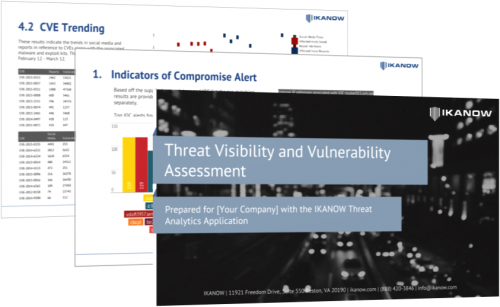
Spoiler alert - these tools do exist. IKANOW has developed an open, flexible and scalable information security platform that turns cyber pros of almost all stripes into super cyber analysts. Through an array of features like threat feeds, beacon finders, and incident response dashboards, the IKANOW cyber security analysis tool can help your people get on top of security concerns and implement real solutions. Stop phishing and hacking attempts, botnet, and hijackers in their tracks and secure networks for the coming cyber storm.
Share on FacebookShare on TwitterShare on Google+Share on Linkedin

A Two-Pronged Approach to the Critical Shortage of Cyber Security Analysts
Cyber security is among the biggest challenges facing businesses in the 21st century and the situation is compounded by an alarming shortage of qualified cyber security analysts. In light of the recent Sony hack and Target data breach, it’s almost impossible to over-stress the importance of having in-house cyber security talent to close security vulnerabilities and fend off cyber threats that can bring a business to its knees.
According to the U.S. Department of Labor, growth in cyber security analyst jobs is expected to grow at a whopping 37% through 2022—a rate the agency says is “much faster than average.” Recruiting, on-boarding and training new analysts fast enough is a challenge for corporations given the speed at which hackers and cyber criminals ply their trade.
The Department of Labor doesn’t track growth in the hacking profession and (despite this pretty funny forum thread from Above Top Secret) finding out how many hackers there are in the world is probably not possible. But we do know the cybercrime “industry” is growing rapidly. And they need to be countered.
The technical know-how necessary to do the job of cyber security analysis is in short supply. Gone are the days of file cabinets and handwritten memos; the sudden adoption of cloud technology and company-wide servers has caused cyber security needs to outstrip the supply of talent. Employers must use their IT staff more effectively in order to compensate for the lack of available cyber analysts.
To accomplish this a two-pronged approach is required.
Approach 1: The Human Angle. Generating Your Cyber Talent.
If you’re a manager of a cyber team, it’s in your best interest to do more to develop the talent that you have, as well as recruiting more people. That means giving staffers the education and resources to develop projects naturally; gathering cyber intelligence is not something that people were born to do. People learn and apply.
Approach 2: The Technology Angle: Cyber Security and Cyber Analyst Platforms.
The right technology can make any analyst’s (the newbie and the vet) job much easier. What if there was a platform that could allow your analysts to easily scan big data sets to determine where security vulnerabilities lie? What if there was an easy dashboard system that would help IT professionals to develop their skills in debugging, pinpointing endpoint security, and protecting data?
Spoiler alert - these tools do exist. IKANOW has developed an open, flexible and scalable information security platform that turns cyber pros of almost all stripes into super cyber analysts. Through an array of features like threat feeds, beacon finders, and incident response dashboards, the IKANOW cyber security analysis tool can help your people get on top of security concerns and implement real solutions. Stop phishing and hacking attempts, botnet, and hijackers in their tracks and secure networks for the coming cyber storm.
Tags: